
The Complete Guide to Hardscaping for Your Outdoor Space
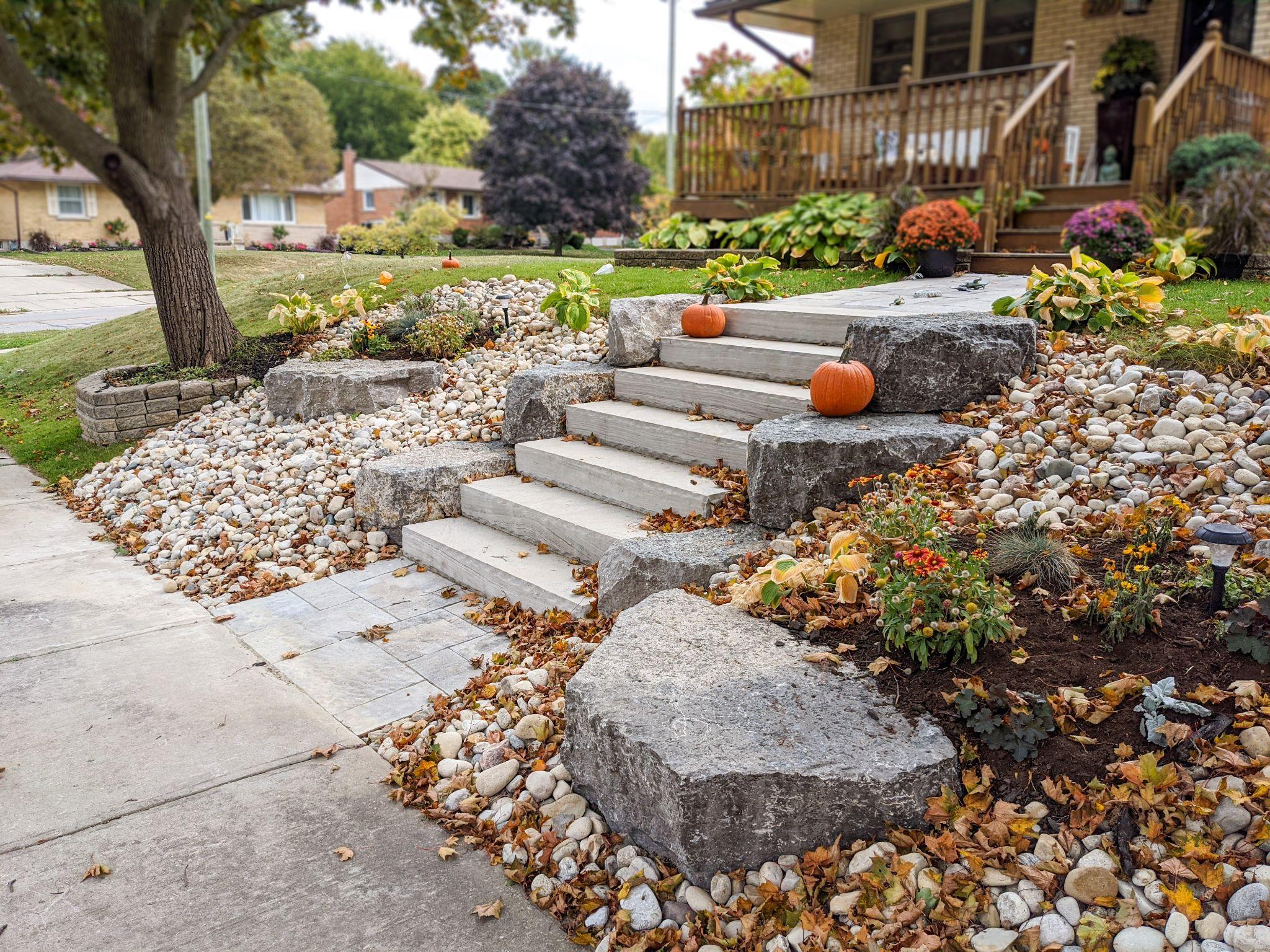
You may have lived in your home for many years now. An established neighbourhood. Mature trees. Your house feels solid and familiar, full of memories. But when you step into your backyard, you get the feeling that things might look a little dated.
Maybe the patio has settled. Maybe the layout feels dated. Grass turns to mud after heavy rain. Entertaining means dragging chairs across uneven stone. You know the space has potential, but you want to approach it carefully. You are not looking for a quick patch. You want something well planned, well built, and built to last.
These are all hardscaping issues, and this is a fact of life for many homeowners. But your backyard doesn’t have to stay that way. It is possible to update your outdoor space to something that reflects your current lifestyle and design preferences.
Instead of guessing what to change, it’s important to understand how hardscaping works, what materials suit your property, and how thoughtful construction can improve outdoor living for years to come.
What Is Hardscaping In Landscaping?
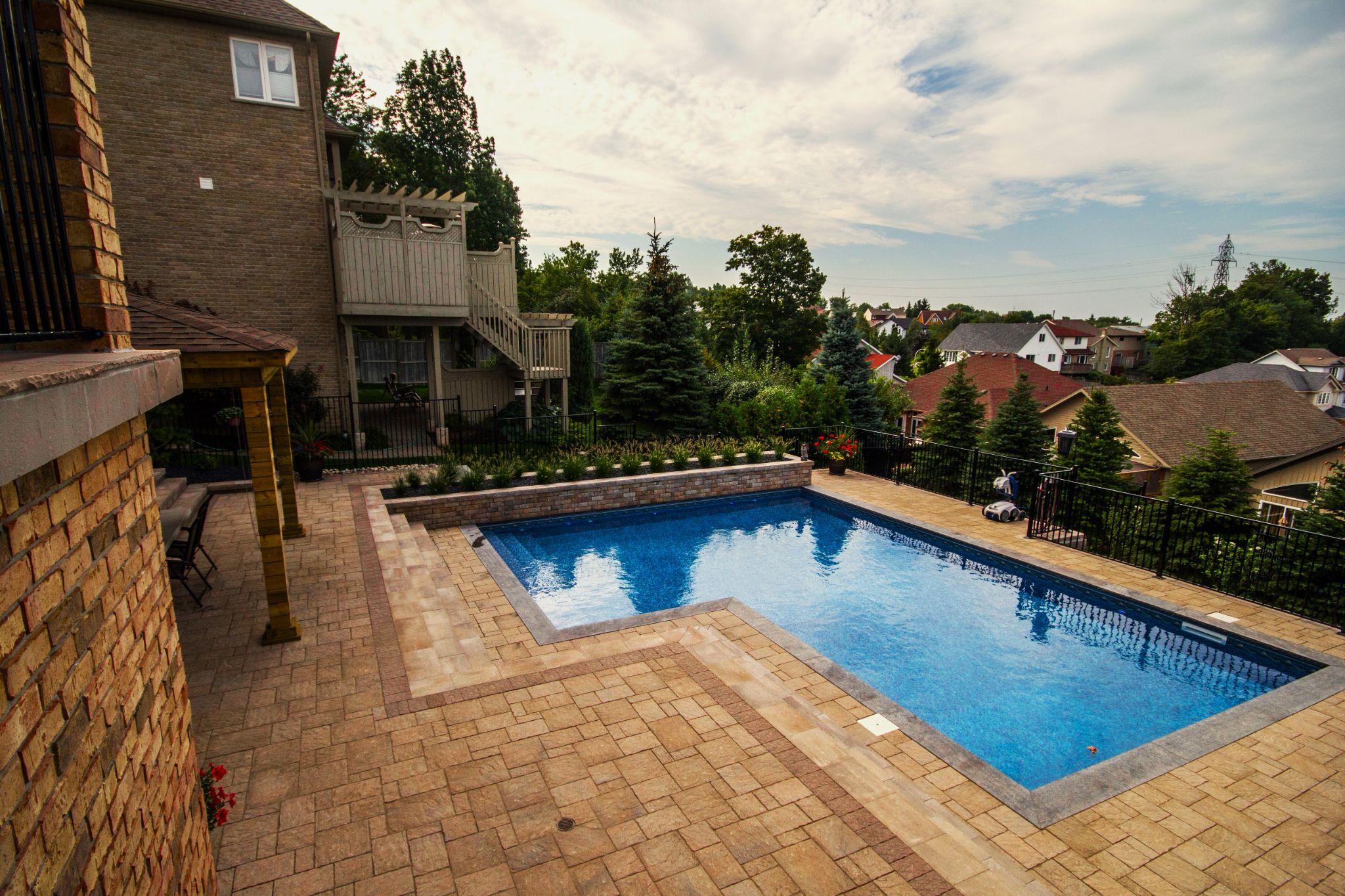
If you have ever asked yourself, what is hardscaping in landscaping, you are not alone. Many homeowners hear the term but are not fully clear on what it includes.
Hardscaping refers to the solid, built elements in your yard. These are the non-living features that give your outdoor space structure and function. Following our hardscaping guide, hardscaping typically includes elements such as:
- Patios that create defined gathering areas.
- Walkways that guide movement through your property.
- Driveways built for durability and curb appeal.
- Retaining walls that manage grade changes and improve usability.
- Outdoor steps that provide safe, stable transitions.
- Fire features that anchor seating areas.
- Outdoor kitchens designed for practical entertaining.
- Pool surrounds that balance safety and visual continuity.
Hardscaping controls how you move through the space. It defines seating areas. It manages grade changes. It directs water away from the house. It supports furniture and gatherings. It shapes how the property feels underfoot.
For homeowners who have lived in their homes for a long time, hardscaping often becomes the focus when updating. Plants change over time. Trees grow. Gardens shift. But concrete, stone, and interlock set the long-term layout.
A well-planned hardscaping guide helps you look at your property with fresh eyes. Instead of asking, “What should we plant?” begin by asking, “How do we want to use this space?”
For example:
- Do you want defined zones for dining and lounging?
- Do you need safer, wider steps to the yard?
- Do you want to reduce lawn maintenance?
- Are you looking for better drainage around the foundation?
Hardscaping answers these questions through structure. It is the backbone of outdoor design. When built properly, it can serve your household for decades with minimal upkeep. Understanding what is hardscaping in landscaping gives you clarity before making decisions. It moves the conversation from surface improvements to long-term planning.
What Is The Difference Between Hardscape And Landscape?
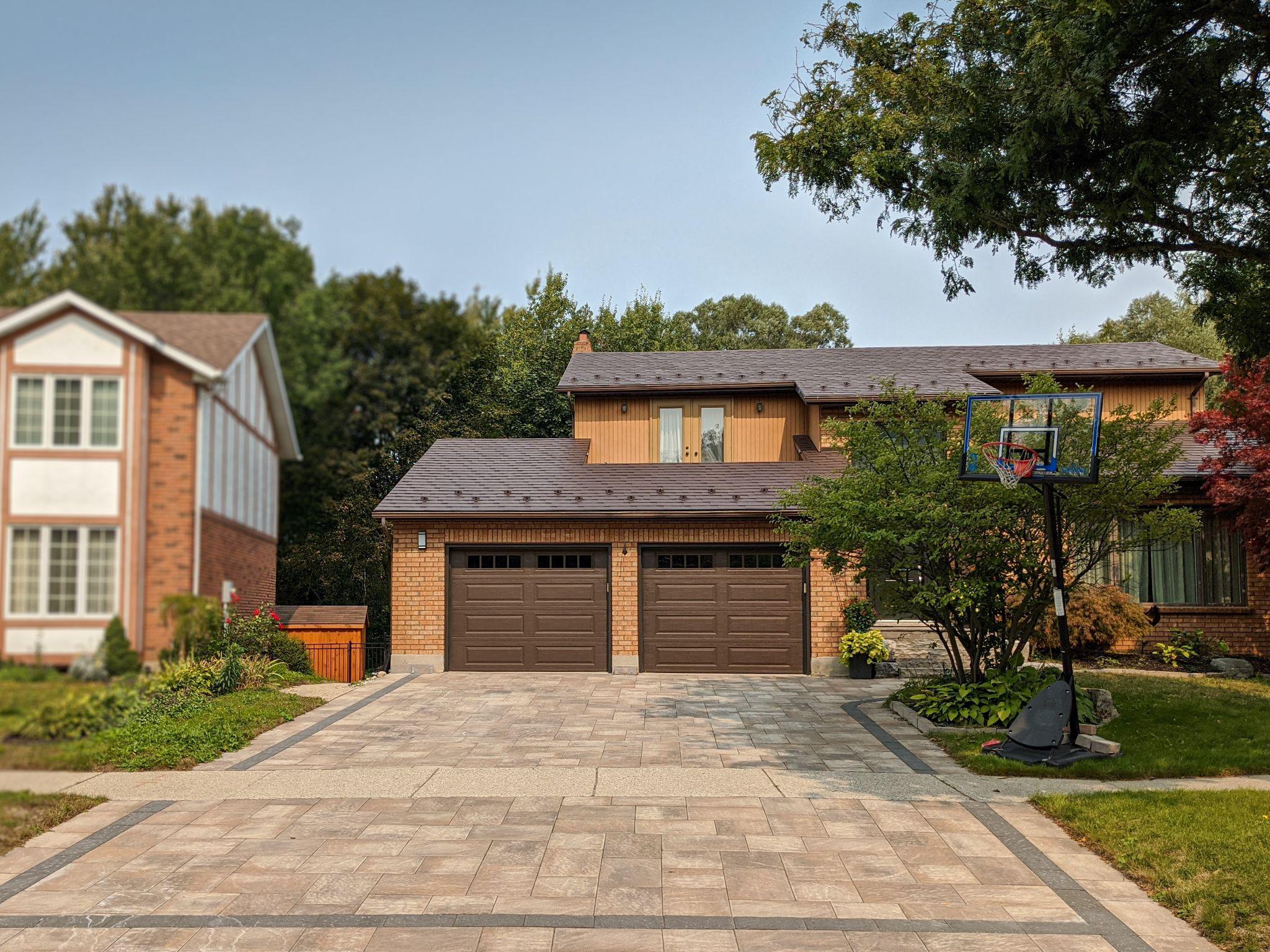
If you are refreshing your property after many years in your home, it helps to clearly understand the difference between hardscape and landscape. These two elements work together, but they serve different purposes in how your outdoor space functions and feels.
Hardscape
Hardscape refers to the solid, constructed features of your outdoor space. These are the permanent, non-living elements that provide structure and long-term stability. Hardscape defines layout, controls movement, and supports daily use. It also plays a major role in grading and drainage, which directly affect how well your yard performs over time. Common examples of hardscape include:
- Patios built with interlock (like the kind you can get from Helmutz), natural stone, or porcelain tiles to create level gathering areas.
- Walkways that provide safe, defined access between the driveway, front entrance, and backyard.
- Retaining walls that manage elevation changes and prevent soil erosion.
- Driveways designed for durability and consistent performance in Canadian weather.
- Outdoor steps that create stable transitions between grade levels.
- Fire features and outdoor kitchens constructed from stone or masonry.
- Pool surrounds that prioritize drainage, slip resistance, and clean visual lines.
In simple terms, hardscape forms the physical framework of your property. It determines how you move through the space and how usable that space becomes.
Landscape
Landscape refers to the living components of your yard. These include plants, trees, soil, and lawn areas that grow and evolve over time. Landscape adds softness, texture, and seasonal variation. It contributes privacy, shade, and environmental value. Examples of landscape include:
- Mature trees that frame the home and provide canopy coverage.
- Shrubs used for screening, structure, or layered planting.
- Perennial gardens that introduce seasonal colour.
- Lawn areas intended for recreation or open space.
- Groundcover and mulch that support soil health and moisture retention.
Unlike hardscape, landscape requires ongoing care. Plants need watering, pruning, fertilizing, and seasonal maintenance to remain healthy and balanced.
Understanding the difference between hardscape and landscape allows you to plan improvements in the right order. Hardscape establishes structure and long-term performance. Landscape enhances comfort and visual appeal.
What Types Of Hardscaping Materials Work Best And Why Is Interlock A Great Option?
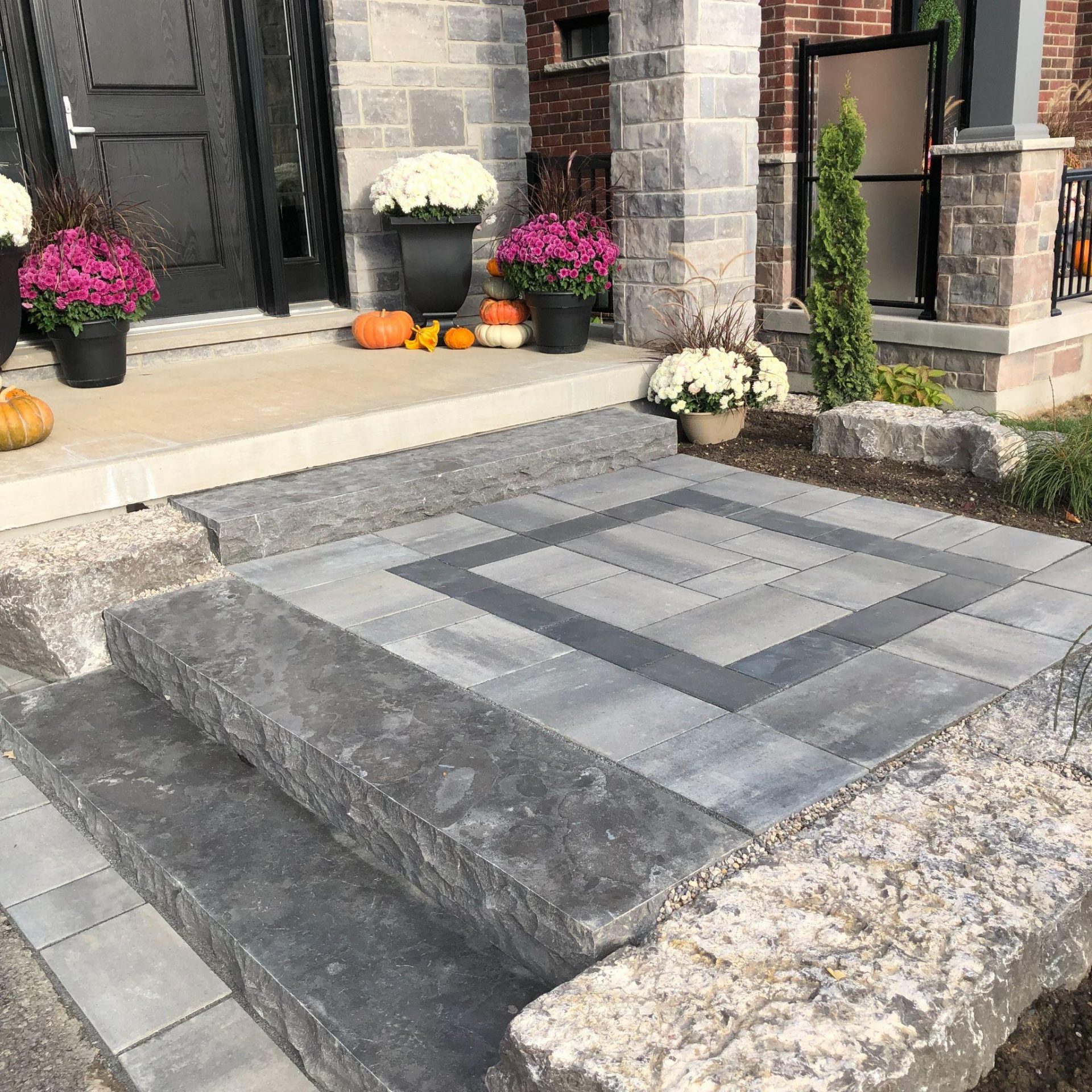
Choosing from the many types of hardscaping materials can feel overwhelming, especially when you want an update that will last for decades. Each material offers different advantages in durability, maintenance, and appearance. A reliable hardscaping guide encourages you to compare materials based on how your space will be used, how it will perform in Canadian weather, and how much upkeep you are comfortable with long term. Common types of hardscaping materials include:
- Concrete: While it is still widely used, concrete is not the best choice in Southwestern Ontario due to its susceptibility to cracking over time. That’s why at Helmutz, we don’t recommend concrete for hardscaping.
- Natural Stone: Known for its organic variation in colour and texture, natural stone creates a timeless look. It is often used for patios, steps, and feature walls. Each piece is unique, which adds character but requires careful installation for stability.
- Brick: Brick offers a traditional appearance that complements established homes. It is commonly used for walkways and smaller patios. While visually consistent, it may require more maintenance over time compared to interlocking systems.
- Interlocking Pavers: Interlock is designed as a system of individual units that fit tightly together, creating a flexible yet stable surface. This flexibility allows it to perform well during freeze-thaw cycles. It is suitable for patios, driveways, and walkways and allows individual units to be replaced if needed.
- Armour Stone: Large natural stone blocks used primarily for retaining walls and grade changes. Armour stone provides structural strength while offering a substantial, natural appearance that suits properties with elevation differences.
- Wood: While wooden retaining walls were common in the past, industry standards have moved away from their use due to wood’s rapid degradation compared to other materials.
- Porcelain Slabs: A contemporary option known for low water absorption and resistance to staining. Porcelain is often used for patios and pool surrounds and requires precise installation over a well-prepared base.
Among these types of hardscaping materials, interlock stands out for practical reasons. It resists widespread cracking, integrates cleanly with steps and walls, and performs reliably when installed over a properly compacted base. It also offers a wide range of colours and laying patterns, allowing you to refresh your property without compromising long-term durability. Its versatility and durability are a big part of why Helmutz focuses on it above other materials.
In a comprehensive hardscaping guide, material selection always considers soil conditions, drainage, and load requirements. A driveway must support vehicle weight. A pool surround requires slip resistance. Retaining walls must handle soil pressure. When reviewing types of hardscaping materials, you should consider:
- How much weight the surface will carry.
- How exposed it will be to moisture.
- How visible it is from the street.
- How much maintenance you prefer to manage.
Selecting materials is not about trends. It is about long-term performance and suitability for your property. A dependable hardscaping guide prioritizes structural reliability over appearance, ensuring your outdoor space continues to function well year after year.
What Are Popular Hardscape Design Ideas For Backyard Living?
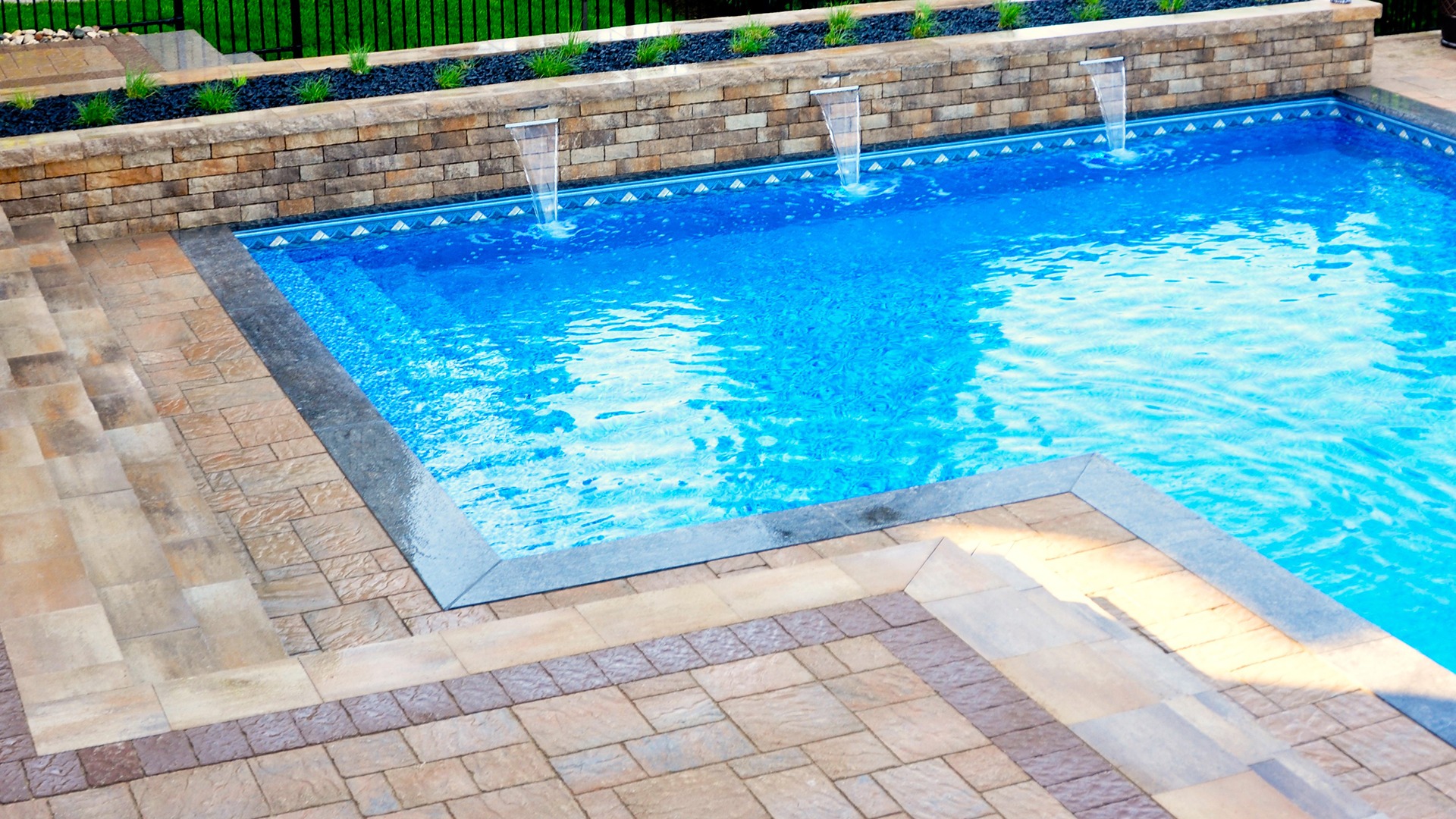
Once you understand materials, you can begin exploring hardscape design ideas for backyard improvements that reflect how you use your space. For established homeowners, updates often focus on refinement rather than expansion. You likely already have the space. The goal is to make it more functional, comfortable, and organized.
Many hardscape design ideas for backyard living centre on defining purpose. Multi-level patios can separate dining and lounging areas without walls. Built-in seating reduces clutter while adding structure. Outdoor kitchens create a dedicated place for entertaining. Fire features act as natural gathering points and extend seasonal use. Integrated lighting within steps and walls improves safety and usability in the evening. Pergolas or overhead structures add architectural presence and shade.
When reviewing hardscape design ideas for backyard projects, think in layers. Circulation comes first. Clear pathways should connect the house to gathering areas. Next comes seating and dining space. Finally, consider focal points that anchor the layout.
Well-planned design feels natural once complete. Movement makes sense. Surfaces feel stable. Each addition works with the existing home, creating a backyard that supports how you live rather than complicating it.
How Does Hardscaping Shape Outdoor Living Space Design?
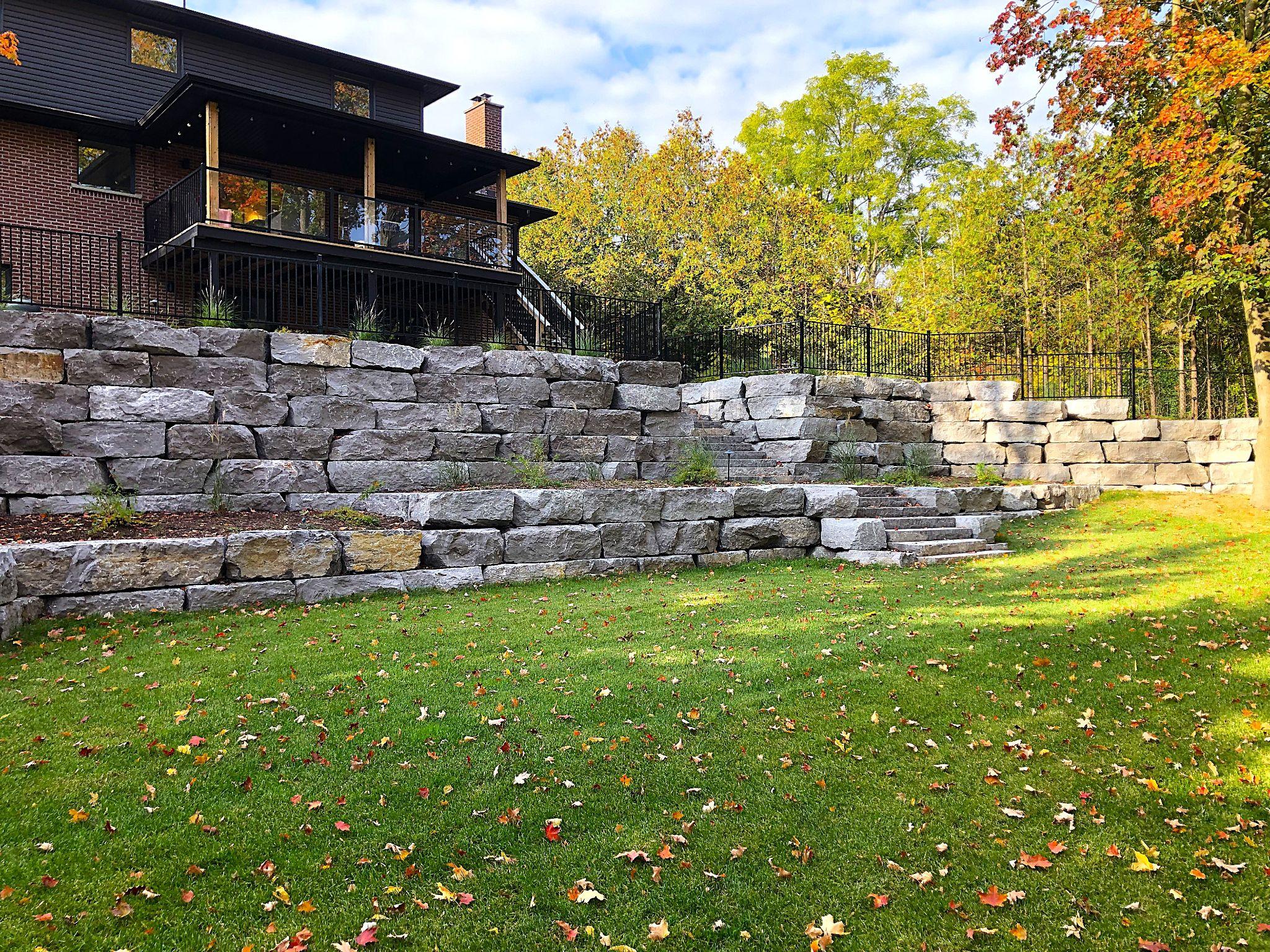
Outdoor living space design ideas have shifted over the years. Patios are no longer simple slabs behind the house. They function as extensions of your interior rooms, supporting dining, conversation, and relaxation. Hardscaping shapes these spaces by establishing structure first, much like the layout of your home. A clear hardscaping guide helps you think about your yard as a series of connected outdoor rooms rather than isolated features.
When considering outdoor living space design ideas, keep the following principles in mind:
- Flooring defines the usable area, just as interior flooring establishes room boundaries.
- Retaining walls and grade changes create subtle separation between zones.
- Pergolas and overhead structures provide enclosure and architectural presence.
- Proper grading ensures drainage and long-term surface stability.
- Smooth transitions between interior and exterior improve flow.
- Clear sightlines from key windows strengthen the visual connection.
- Adequate space for furniture prevents crowding.
- Integrated lighting extends usability and improves safety.
When these elements are planned together, each feature supports the next. The result is an outdoor space that feels cohesive, comfortable, and well-organized year after year.
What Are Popular Landscape Construction Hardscaping Projects For Homeowners?
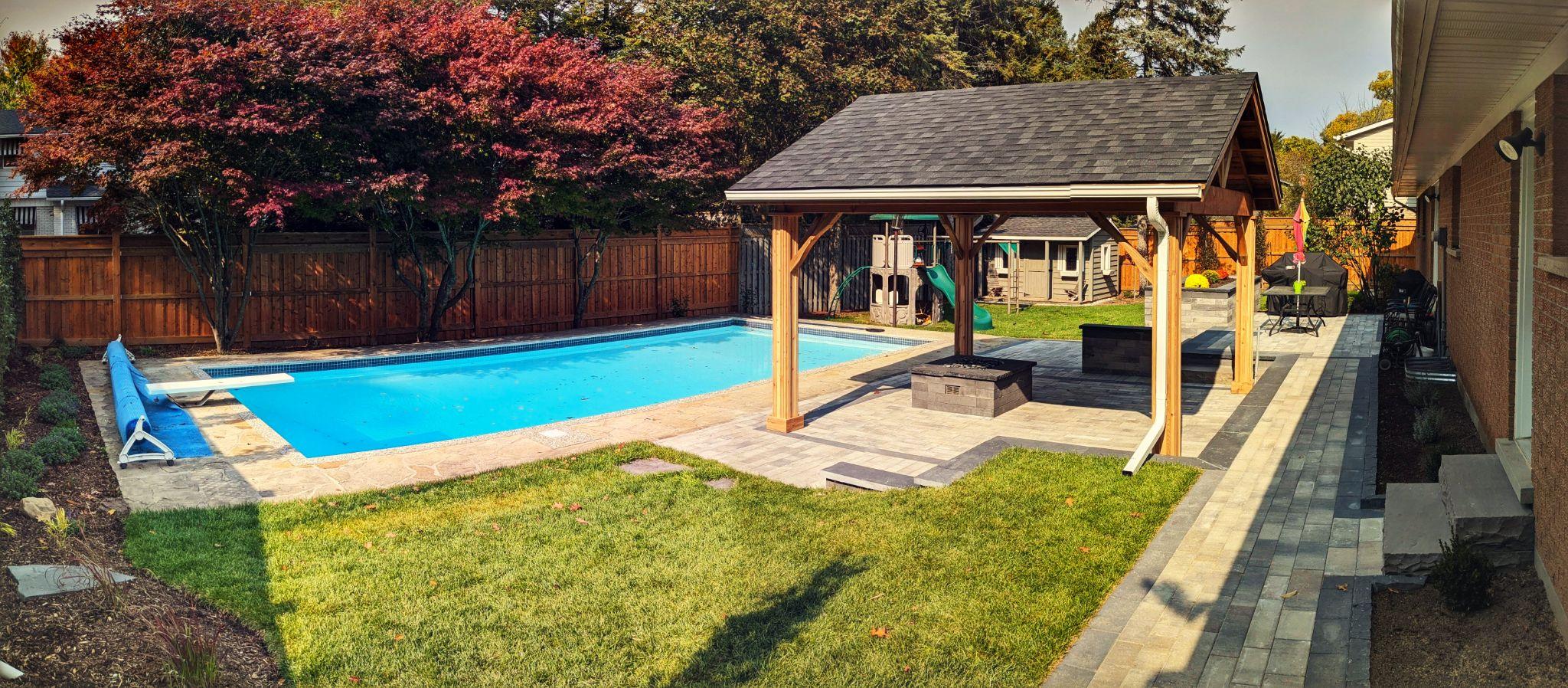
Many long-term homeowners view landscape construction as a practical way to refresh their property without altering the home itself. Over time, patios settle, steps shift, and drainage patterns change. What once functioned well may now feel uneven or outdated. A clear hardscaping guide helps you approach these updates with structure, focusing on performance, safety, and long-term durability.
Common Hardscaping Projects For Established Properties
Certain upgrades consistently improve both usability and appearance. These projects modernize the yard while addressing wear that naturally develops over the years.
Common hardscaping improvements include:
- Rebuilding aging patios that have shifted or settled.
- Installing retaining walls to correct grading issues (explore our gallery to see what expertly-installed retaining walls look like)
- Expanding or rebuilding driveways for improved durability.
- Adding defined front entry walkways.
- Creating structured pool surrounds.
- Replacing wooden steps with stone for increased stability.
These updates strengthen the overall framework of the property while enhancing curb appeal.
Functional Benefits Of Retaining Walls And Driveway Upgrades
Some projects solve underlying structural concerns rather than simply updating appearance.
Retaining walls can:
- Stabilize slopes and prevent erosion.
- Improve site drainage.
- Create level lawn or seating areas.
- Add integrated seating along patio edges.
Driveway upgrades increase load capacity and surface consistency while improving the approach to your home.
Construction Considerations For Long-Term Performance
Within a comprehensive hardscaping guide, construction is approached methodically. The work below the surface determines how well everything above it performs.
Important factors include:
- Soil conditions and compaction requirements.
- Frost depth considerations in Canadian climates.
- Proper excavation and granular base preparation.
- Drainage planning to move water away from foundations.
For established properties, updating hardscape elements often resolves long-standing concerns such as cracked slabs, uneven steps, or water pooling near the house.
A structured hardscaping guide also supports phased planning. Projects can be prioritized based on condition, safety, and frequency of use. With careful installation and attention to long-term performance, these landscape construction improvements can serve your home reliably for decades.
How Does Hardscaping For Small Backyard Layouts Work?
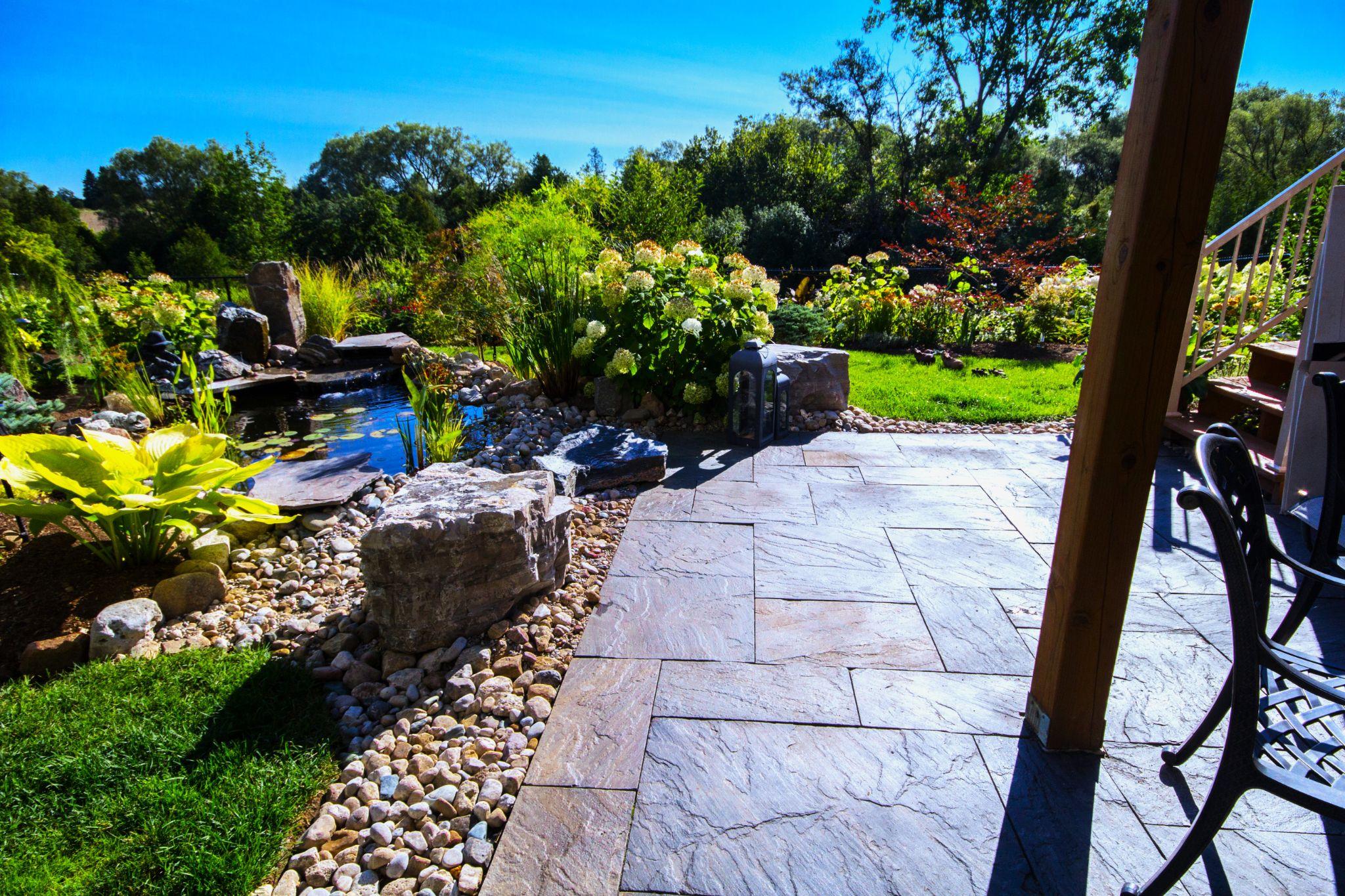
Hardscaping for small backyard spaces requires precision and restraint. In compact areas, every square foot matters, and oversized features can quickly overwhelm the yard. A well-developed hardscaping guide emphasizes proportion, balance, and careful layout so the space feels intentional rather than crowded. The goal is to refine what you have, not fill every corner.
When planning hardscaping for small backyard layouts, clean and simple lines tend to work best. Multi-functional features reduce clutter, such as low retaining walls that double as seating. Built-in benches often perform better than loose furniture, which can make tight spaces feel disorganized. Vertical elements, including raised planters or privacy screens, add interest without consuming valuable ground area.
Material choice also plays an important role. Lighter-coloured surfaces can reflect natural light and help the yard feel more open. Diagonal paving patterns may visually extend the space, while compact fire features integrated into walls provide a focal point without dominating the layout.
Drainage planning is equally important. Smaller yards often have limited slope options, making proper base preparation essential. When thoughtfully designed, hardscaping for small backyard properties can feel organized, functional, and refined rather than restricted.
How Should You Plan A Hardscape Project?
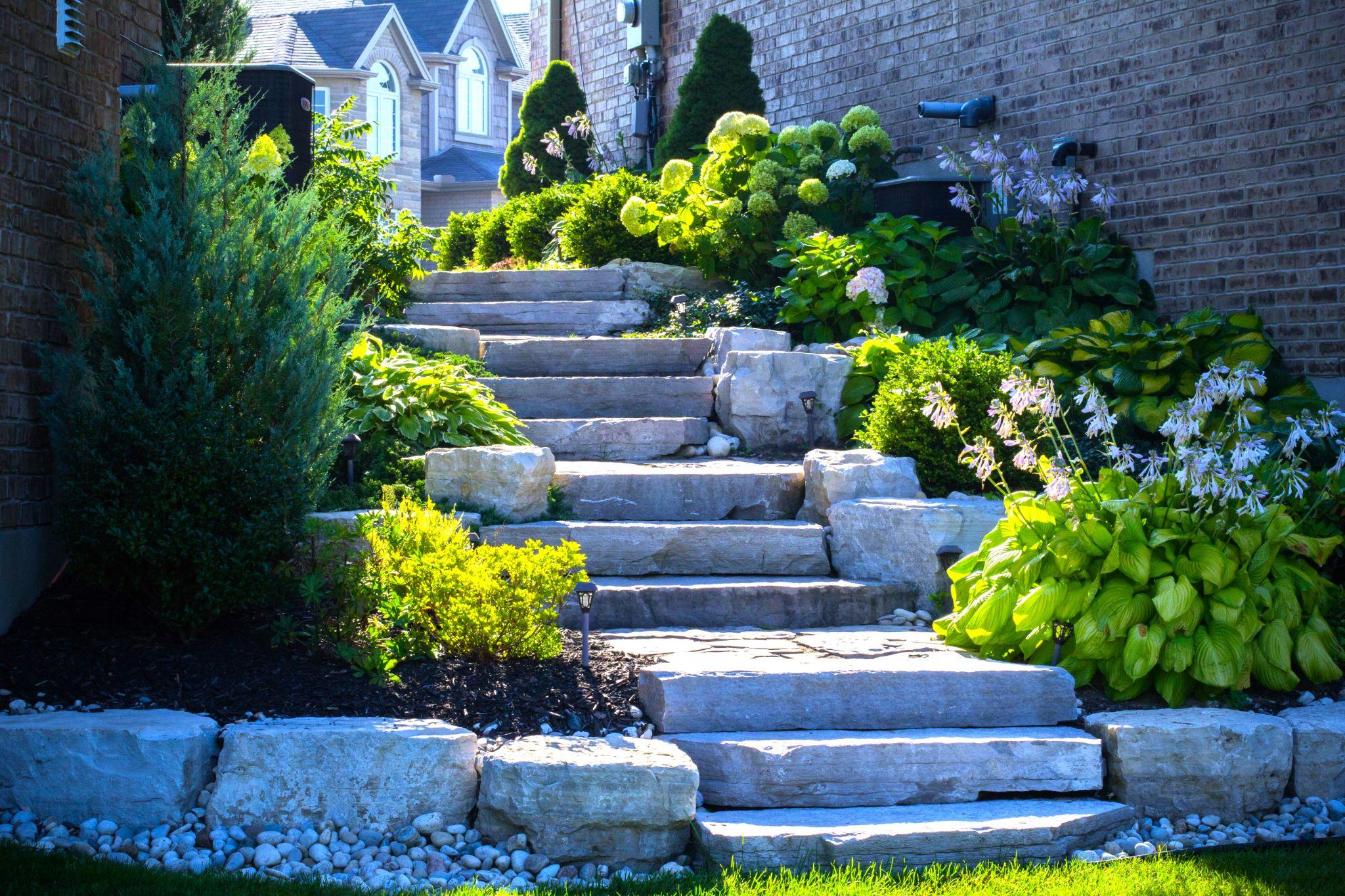
Planning is often the stage where homeowners feel the most uncertainty. You may know your yard needs improvement, but deciding where to begin can feel unclear. A detailed hardscaping guide removes much of that guesswork by breaking the process into manageable steps. Careful planning ensures that your investment supports long-term performance rather than short-term fixes.
Start With Observation
Begin by evaluating your property as it functions today. Walk the yard slowly and pay attention to patterns. Notice where water collects after rainfall. Identify surfaces that feel uneven or unstable. Look at how you move from one area to another and whether those paths feel natural or forced. Measure usable space so future features are scaled appropriately. This stage is about understanding existing conditions before proposing solutions.
Define Your Objectives
Once you understand the current layout, clarify what you want to improve. You may be looking for additional seating, better drainage, safer transitions between grades, or reduced lawn maintenance. Prioritize these goals in order of importance. A clear list helps guide design decisions and prevents unnecessary additions that complicate the project.
Consider Logistics And Regulations
Large hardscape projects require excavation and equipment access. Consider driveway space, yard entry points, and how materials will be delivered. Review municipal regulations, setback requirements, and permit needs for retaining walls. Utility locates are essential before excavation begins.
Material selection should follow layout decisions, not precede them. Clear communication about base preparation and drainage methods ensures the finished project performs as intended. When planning is approached methodically, surprises are reduced and long-term satisfaction improves.
Why Does Professional Hardscape Construction Matter?
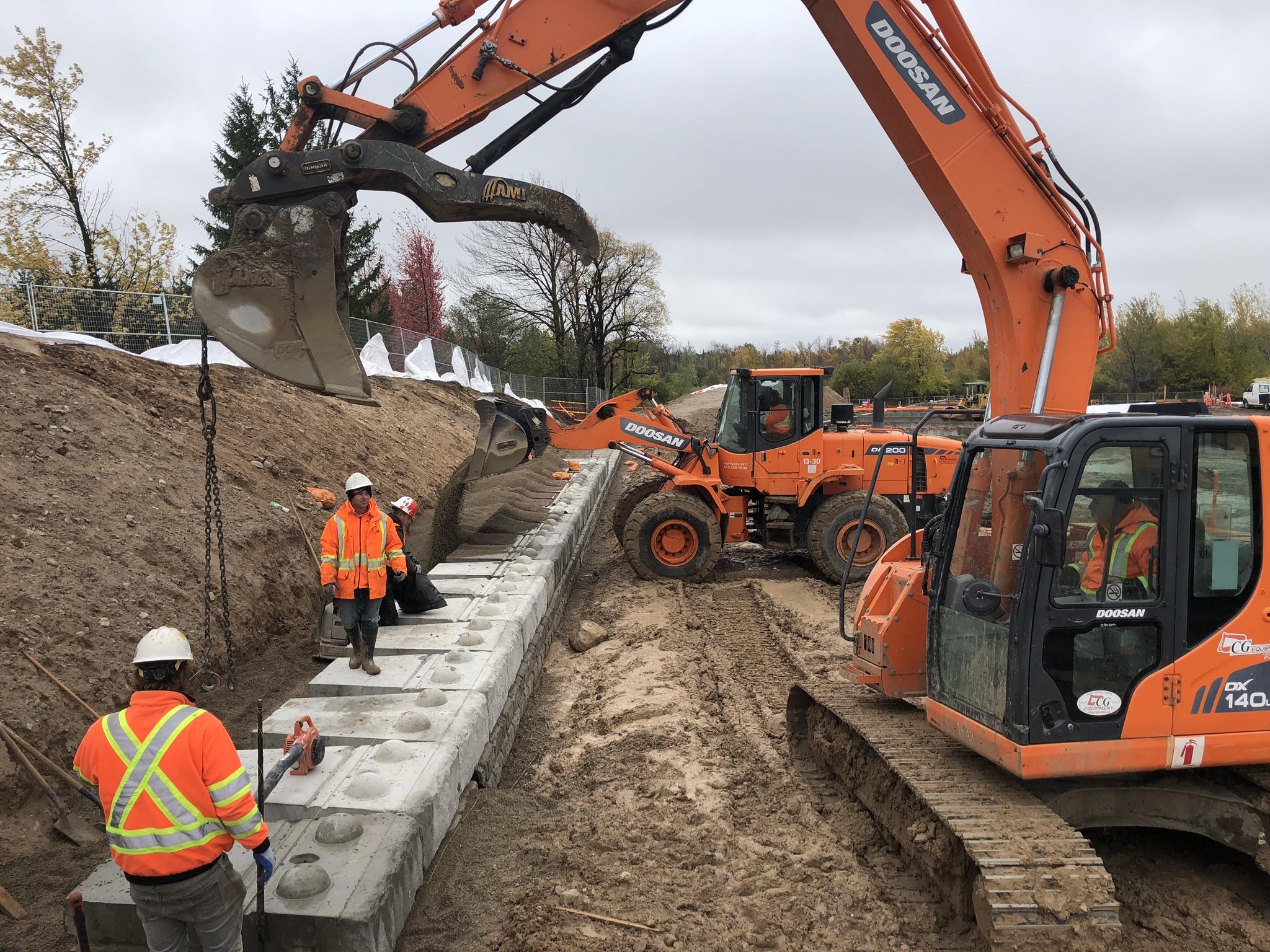
Hardscaping is not surface decoration. It involves excavation, grading, compaction, and structural support.
Improper installation can lead to:
- Settling
- Water pooling
- Frost heave
- Wall movement
A reliable hardscaping guide emphasizes that preparation below ground determines performance above ground. Experienced crews understand soil conditions and frost depth. They use modern equipment to achieve consistent compaction. They follow structured processes rather than shortcuts. Professional hardscape construction also affects daily experience during the build.
An organized team will:
- Start on time.
- Maintain a tidy site.
- Communicate clearly.
- Finish efficiently.
There is value in working with a company that operates from a physical shop and outdoor showroom. It reflects transparency and long-term commitment. You can see materials in person. You can speak directly with project managers. Experience also shapes philosophy. Early mistakes in any trade teach lasting lessons. Quick fixes rarely satisfy homeowners. Long-term relationships are built on doing the job properly the first time.
Senior foremen bring decades of hands-on knowledge. They know how to read soil, manage crews, and maintain high standards. When professional hardscape construction is approached with accountability, you receive durability and peace of mind.
Bringing Your Hardscape Plans Together
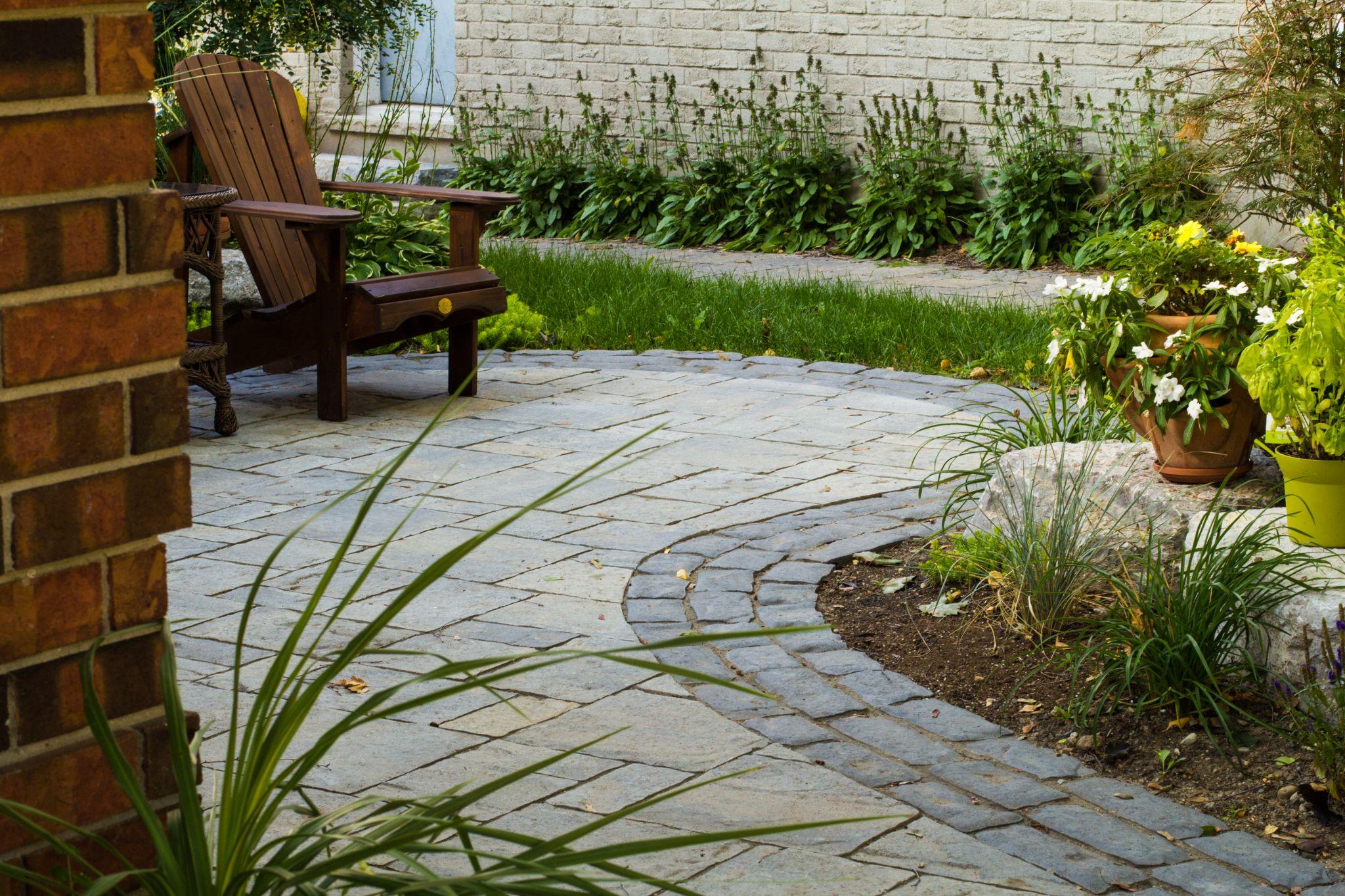
At Helmutz Landscape, the approach has always been straightforward. Early in the business, lessons were learned the hard way. Quick fixes and backtracking never lead to satisfied homeowners. Over time, that experience shaped a simple commitment: complete the work properly, communicate clearly, and stand behind every project. The goal is not just a finished patio or walkway. The goal is a client who feels comfortable recommending the work to neighbours and friends.
You benefit from experienced senior foremen, modern equipment, and organized project management. Crews arrive on time and maintain tidy, orderly job sites. Projects move forward efficiently and are completed cleanly. With an outdoor showroom and physical shop, you can review materials in person and speak directly with the team. When you are ready to refresh your property with careful planning and dependable construction, request a quote.
Summary
This hardscaping guide provides a clear overview of what hardscaping involves and how it shapes the structure of your outdoor space. It explains the role of patios, walkways, retaining walls, driveways, and other built features, helping you understand how these elements work together to create a functional layout. By outlining common hardscaping materials and where they perform best, this guide highlights how durability, climate conditions, and proper installation affect long-term results.
You also gain insight into how layout decisions influence movement, drainage, and everyday usability. From defining gathering areas to improving transitions between grade levels, thoughtful planning ensures each feature supports the next. The guide emphasizes the importance of base preparation, frost considerations, and drainage strategies so surfaces remain stable over time.
For homeowners who have lived in their property for many years, this hardscaping guide offers a structured way to approach updates without guesswork. It encourages careful evaluation, clear priorities, and phased improvements when necessary. With proper planning and installation standards, hardscaping can deliver lasting performance, enhanced comfort, and a more organized outdoor environment for years to come.
Tags: